Rethinking Exercise in Midlife
When I was younger, “over the hill” always seemed an apt description – for other people. But we never feel as old as others seemed to be when we get to be that age, do we?
I turned fifty years old fifteen months ago, and since “cresting that peak” I’ve struggled with a rolling string of aches, pains, and issues that have made my physical therapist my new nemesis. It’s clear that things have changed, and my previous routines don’t quite work anymore.
This is new territory, and I’m not quite sure how to navigate it. And from conversations I’ve been having, I know I’m far from alone in that.
And if I’m being honest, I’m kind of annoyed that my body is letting me down like this.
I’m even more annoyed to learn more about hormone changes and see that they are a big part of what’s driving a lot of the struggles. It can start to feel like decline is inevitable, like I’m doomed by family history, and make me want to give up. Especially if the only solution being peddled is “try harder.”
After all, I don’t usually really like exercising. It’s always been a “have to do” not “want to do.”
And to learn that now, at this stage of life, I have to do even more exercise and strength training just to maintain the little bit of fitness level I have feels exhausting.
So opting out of movement and exercise starts to look more attractive.
Then I think about all the things I still want to do in this life. And I’m going to need a functional body in order to do that. That realization doesn’t come with a plan. Just a pause, and a recognition that I might need some help in this new territory.
So for this fourth post in The Upgrade, we’ll hear from my friend and colleague, Carrie Jacobson, a personal trainer and fitness instructor who works with midlife women every day and understands both the resistance and the possibility here. I invited Carrie to cut through the noise and share a realistic (and hopefully helpful) perspective on what our bodies need now.
Building the Body That Will Carry You Forward
Carrie Jacobson, a personal trainer and mindful movement instructor, shares how strength, variety, and sustainable movement can support midlife bodies—and why learning to move differently can be an act of care rather than correction.
Why Strength and Movement Matter in Midlife
Midlife is often framed as a time of loss — of energy, ease, or the body you once had. But it doesn’t have to be.
Midlife can be a time to intentionally build the physical capacity you’ll need for the decades ahead. How we move today shapes how we live later — how freely we travel, how independently we move through daily life, and how confidently we say yes to the things we love.
A regular movement practice in midlife isn’t about aesthetics or preserving youth. It’s about quality of life.
Strength, mobility, balance, and coordination help you stay capable — able to lift, carry, reach, walk confidently, and recover from life’s inevitable surprises. Strength training, in particular, supports independence, joint health, bone density, and long-term resilience.
Strength doesn’t need to be extreme or punishing. The most sustainable practices are manageable, functional, and designed to support your life — not exhaust you.
Train for the Life You Want to Live
Rather than asking, “What should I be doing in the gym?” try asking:
What do I want to do with my body — today and going forward?
Carry a suitcase with ease?
Get up off the floor confidently?
Spend full days walking while traveling?
Paddle, hike, garden, ski, or play with grandchildren?
Movement that supports these goals doesn’t happen by accident. It’s built through regular, thoughtful practice.
Starting Small – and Building from There
If you’re unsure where to begin — or how to move forward — start here.
If you’re just getting started:
Walk regularly, ideally outdoors, at a pace that feels supportive
Add simple strength work one or two days a week using bodyweight, bands, or light weights
Aim for consistency, not intensity — doing something regularly matters more than doing a lot occasionally
If you’re already active and want to go deeper:
Make sure strength training is part of your week, not just cardio
Include some mobility and balance work alongside strength
Pay attention to recovery — soreness and exhaustion shouldn’t be the goal
Thinking About a Class or Program?
Before committing, ask yourself:
Does this support long-term strength and mobility, not just short-term intensity?
Is there room for individual needs, injuries, or different experience levels?
Does this feel like something I can return to consistently?
The right program is one that helps you feel more capable — not depleted.
The Takeaway
The body you build now is the body that will carry you forward.
Midlife isn’t the end of what your body can do.
It can be a beginning.
About Carrie Jacobson
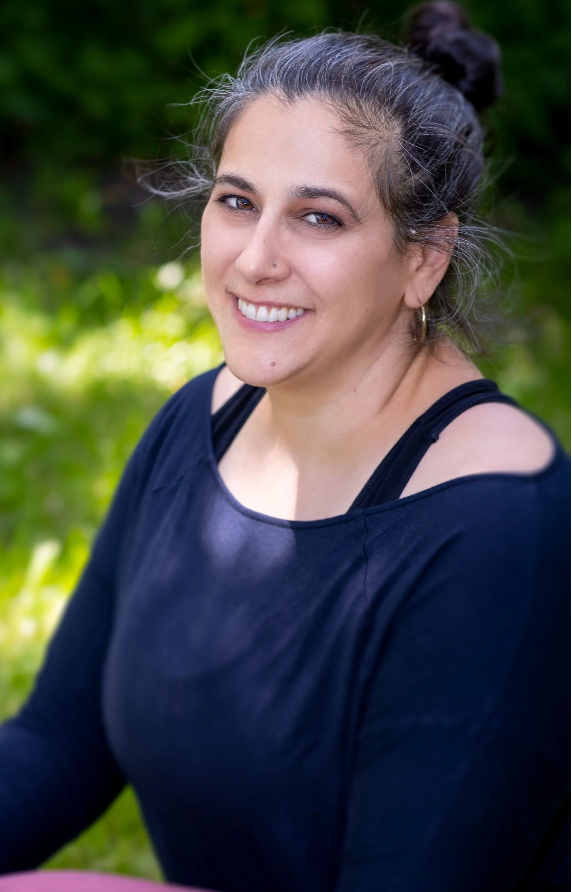
Carrie Jacobson is a personal trainer and mindful movement instructor who helps midlife women build strength, resilience, and confidence through varied, sustainable movement. Drawing from her background in yoga, strength training, and injury-informed practice—as well as her own experience navigating pain and limitation—Carrie brings a thoughtful, whole-body approach to helping people move in ways that support both present capacity and long-term wellbeing. She is the founder of New Moon Mindful Movement in Buffalo, NY. Learn more about Carrie and the classes she offers (in-person and virtually) at https://www.newmoonmindfulmovement.com.
A Closing Reflection
I love how Carrie changed the conversation – from “How can I be better about exercise?” to a future-focused, dream-inspiring question of “What do I want my future life to be like?”
Suddenly, I’m not seeing my body as the adversary. It’s my container, and we’re going to work a lot better as partners. Maybe it’s even something I can learn to trust again, little by little.
Instead of focusing on how many reps until I can stop, I’m imagining how the energy and mobility I’m building might support the life I still want to live. International trips – with walking and exploring. Spending winters somewhere warmer – where I can be out and active. Moving through my days with more freedom and energy, and less grimacing and dragging.
I’m finding hope that there’s an alternative to the decline, and I’m relieved that there’s a path that doesn’t require the intensity of a Peloton. I like a good challenge, but what feels more helpful right now is structure that’s designed to support, not restrict. I’m much more interested in orienting toward the fullness of my future than in measuring the fitness of my body.
This reflection is also reminding me that we don’t have to go it alone. As our bodies and lives change, we don’t have to fall into “rugged individualism” and the belief that I should be able to figure this out on my own. Sometimes the wisest move is letting ourselves be supported as we listen more closely to what this season is asking of us.
If this reflection resonates, you might want to spend a little time noticing:
What patterns have I noticed lately in how my body responds to movement—before, during, and after—and what might those patterns be telling me?
What changes if, instead of interpreting resistance, fatigue, or inconsistency as a personal failing, I consider it as my body asking for a different kind of support?
Like this blog?
Sign up to get new posts delivered directly to your inbox!