
What Does It Mean to Build a Life That Fits You?
What if growing your business isn't about doing more—but about building something that actually fits you? After years of trying to follow other people's formulas for success, I began asking a different question: What kind of business and life do I want to grow? A life that fits isn't perfect or effortless. It's one shaped by your values, strengths, needs, and what matters most in this season.

Before You Explain It Away, Get Curious
Sometimes the signs that something no longer fits aren't dramatic. They’re small, easy to explain away, and surprisingly easy to ignore. A loose button on a favourite pair of pants got me thinking about the subtle signals we notice in our own lives—and how different things might feel if, instead of judging those signals, we simply got curious about what they might be telling us.

When You Know Something’s Missing, But You Don’t Know What
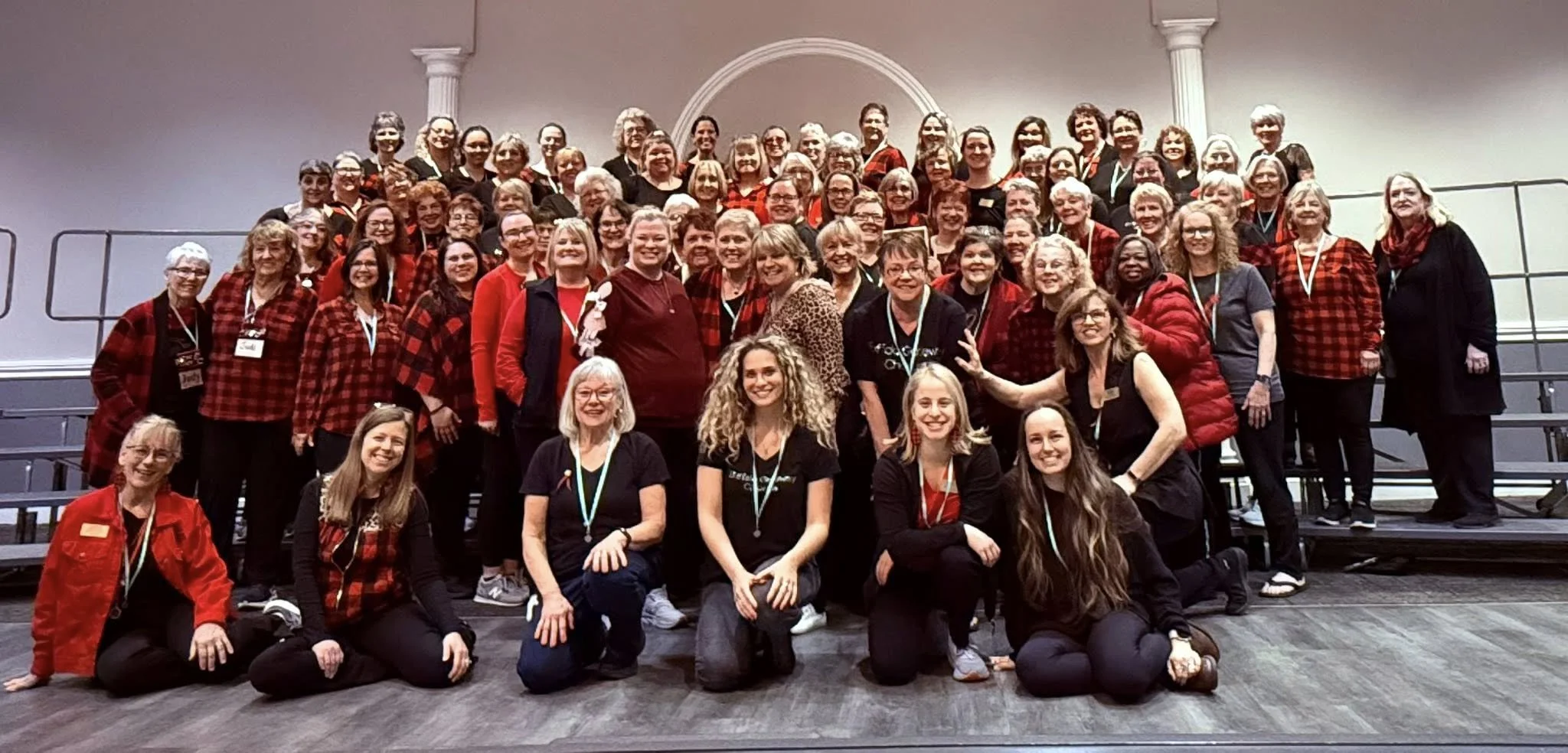
Sometimes we know something is missing before we know what we want instead. For years, work had taken up too much space in my life, leaving little room for simple enjoyment. Then I discovered “Creative Play” and found a low-pressure way to begin exploring it: three rehearsals, three songs, and one performance with a local women’s chorus. Sometimes the next step isn’t having all the answers—it’s simply finding a way in.

Are You Coping...or Living?
Midlife doesn’t always feel like fatigue. Sometimes it feels like coping has quietly become the norm. We get good at managing life, meeting needs, and getting through the day—but somewhere along the way, we may stop asking what restores us, what brings joy, and what it feels like to be fully alive again.
When Familiar Becomes Invisible: Why We Stop Noticing the Life We're Living
Familiar places and routines can quietly fade into the background, not because they lack meaning, but because we assume they’ll always be there. As life gets busier, we slip into autopilot—efficient, but less attentive. Yet when we slow down and truly notice, we often find that what we’ve been seeking isn’t somewhere else, but hidden within the life we’re already living, waiting to be seen with fresh eyes.

Waiting for Life to Settle Down?
Someday isn’t a date on the calendar. And neither is ‘when life settles down.’ Sometimes the most life-giving thing we can do is begin before everything feels ready—not because life has become easier, but because we’ve decided not to let our circumstances determine what’s possible. While we can’t control everything around us, we have more influence over what’s happening within us than we sometimes remember.

What Packing Lighter Taught Me About Expectations
I’ve realized this summer that I’m not just packing lighter for trips—I’m packing lighter in life. When I know what’s expected, what’s provided, and what’s truly mine to carry, everything feels more manageable. Maybe the weight we feel isn’t from doing too much, but from trying to prepare for everything. Sometimes, a little clarity—and a simple question—can make the whole journey lighter.

When Life Gets Too Full
Life got too full this week—and instead of pushing through, I chose to pause. I realized the pressure I felt wasn’t coming from outside expectations, but from an internal rule I’d been carrying. There’s a difference between living by our values and living by those rules. One brings clarity; the other creates obligation. So I’m leaving you with this question: where might your values be asking you to choose differently?

I Know What to Do. So Why Am I Not Doing It?
Many of us know exactly what we “should” be doing—yet still feel stuck. It’s easy to assume the problem is a lack of discipline or willpower. But often, the real issue is trying to do everything alone while already exhausted. Meaningful change doesn’t come from knowing more—it comes from support, structure, and small, sustainable steps that help us live what we already know.
The Parts of Ourselves We Stop Visiting
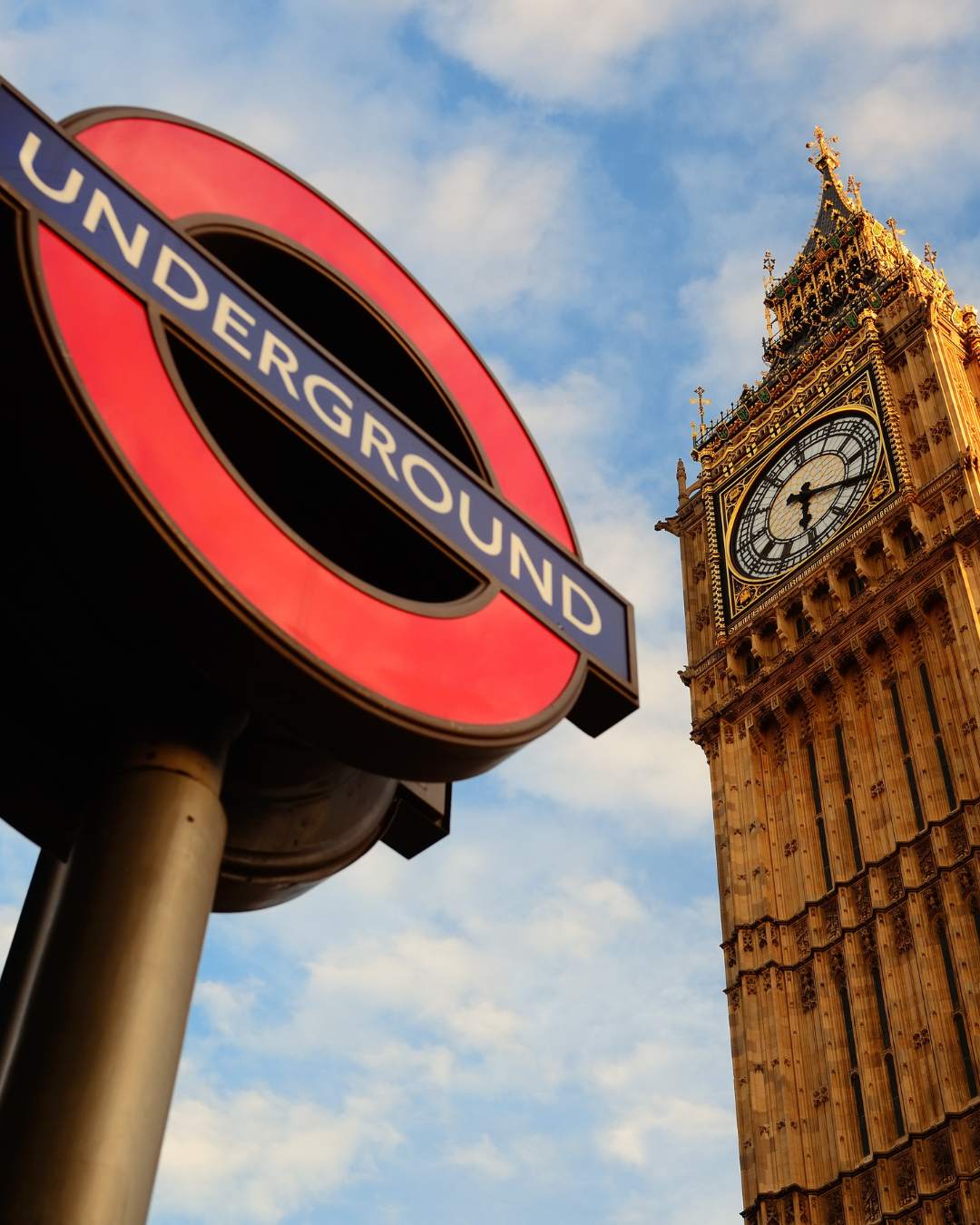
A London Tube map sparked a deeper realization: while routines make life manageable, they can quietly shrink our world. Over time, we stop “visiting” parts of ourselves—creativity, rest, curiosity, connection. Many people feel stuck not because something is wrong, but because something meaningful has been neglected. The good news? Those parts aren’t gone. They’re still there, waiting—often just one small step, or “one stop,” away from being rediscovered.
The Best Landmarks Were the People
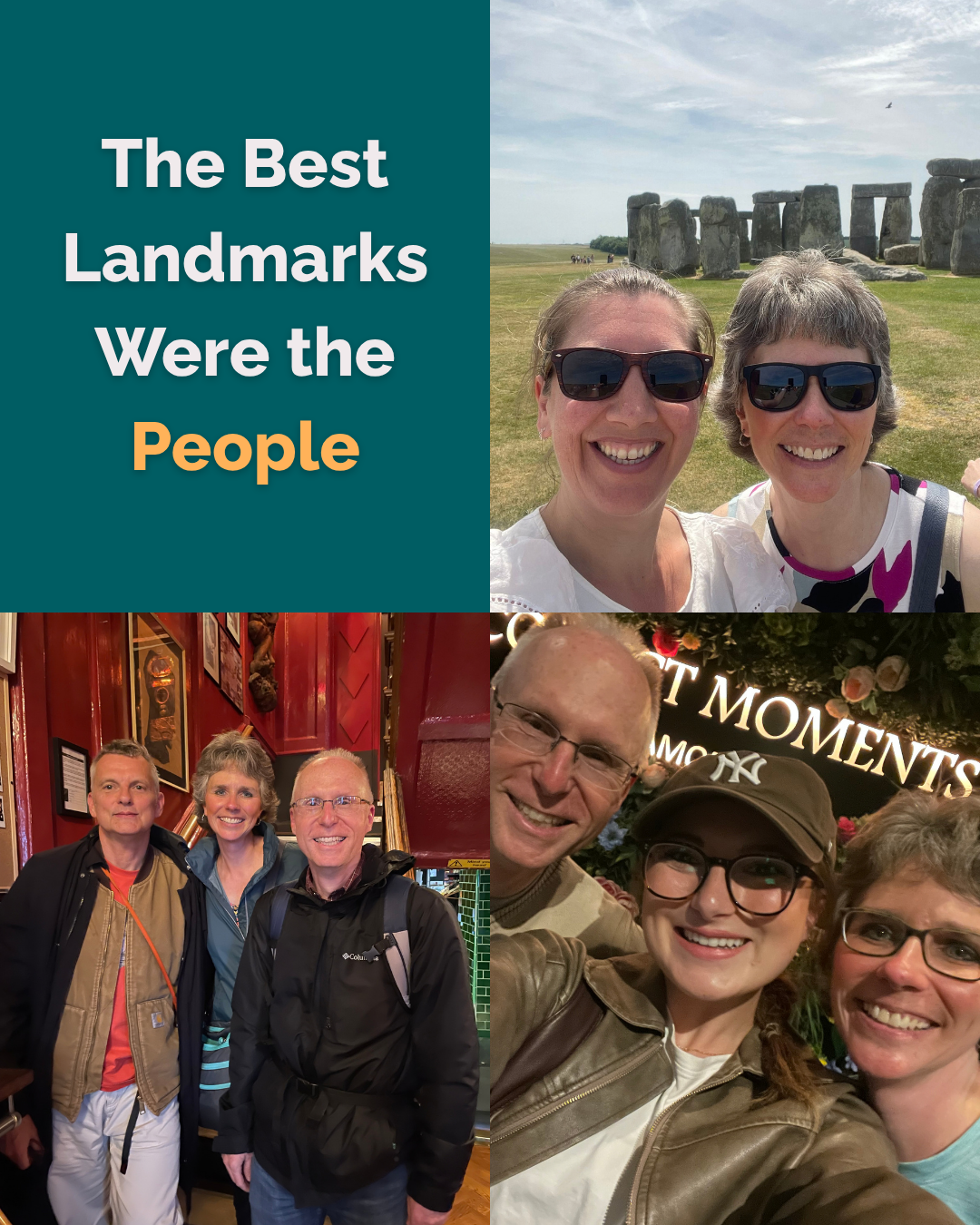
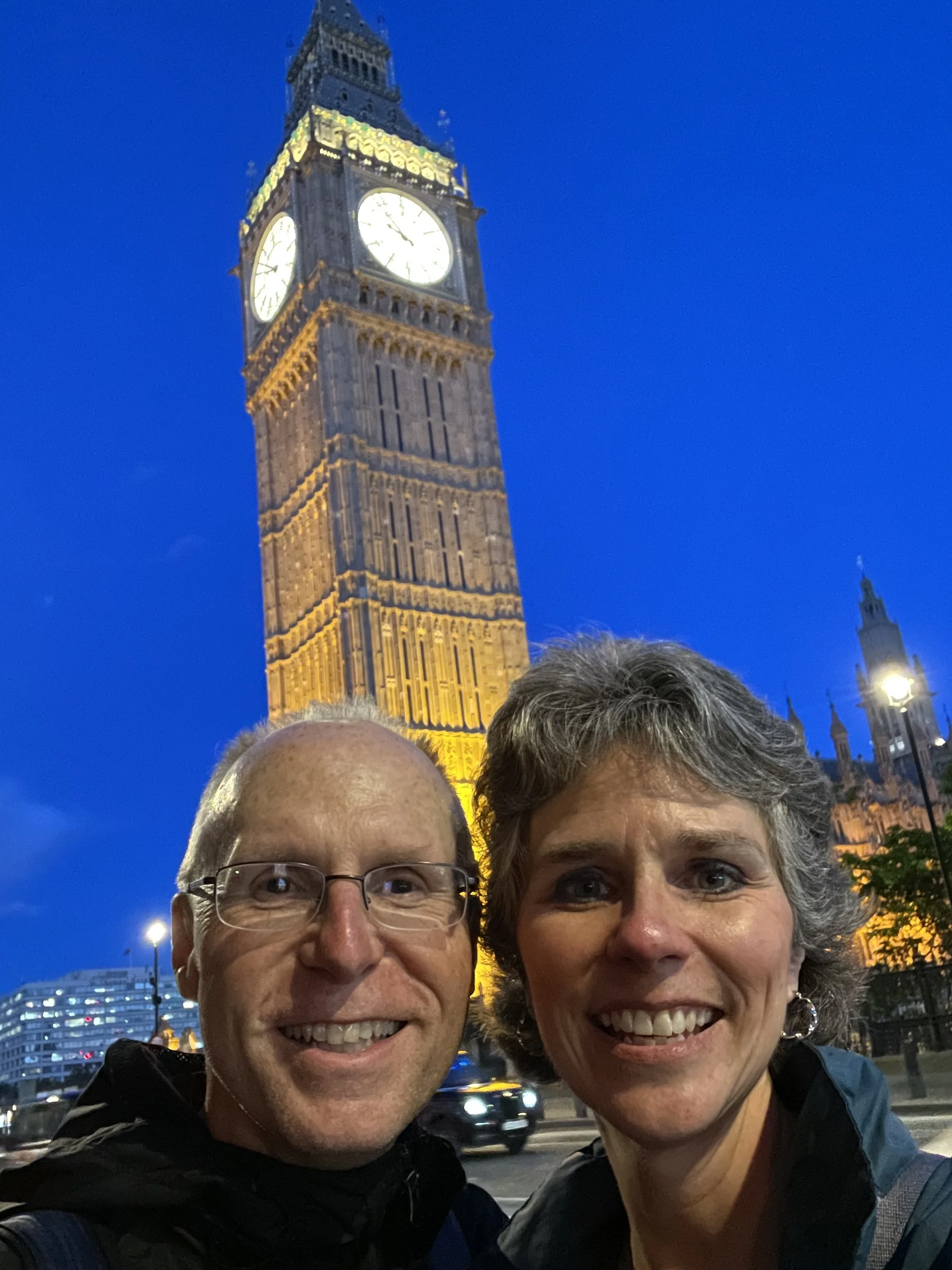
This trip to England wasn’t defined by landmarks or itineraries, but by people I’ve known for years meeting me in real life for the first time. Friends from across the world, coaching partners, and long-time connections turned Zoom squares into shared tables, walks, and conversations. What lingered most wasn’t what I saw, but who I was with—and the quiet reminder that presence with people is often what stays with us longest.
How to Enjoy a Vacation More Than You Enjoy Planning It
Do you spend so much time planning a vacation that you forget to enjoy it? After preparing for a 10-day trip to England, I was reminded that the most important part of any vacation isn’t what you do—it’s who you choose to be while you’re doing it. By focusing on being present, setting boundaries around work, and prioritizing meaningful moments over packed schedules, I discovered a more enjoyable and memorable way to travel.
Field Notes on Creativity in Real Life
A travel day gone wrong becomes a real-time lesson in creative problem solving. From missed expectations and mounting frustration to a cancelled flight, the author shifts perspective, explores alternatives, and asks for help—ultimately turning inconvenience into unexpected opportunity. Through small mindset shifts and practical choices, she shows how creativity isn’t just about big ideas, but about staying flexible, resourceful, and open to what’s possible in the moment.
A More Creative Way to Live
Creativity isn’t just something we do—it’s a way of living. By reframing problems as questions, we open space for curiosity, possibility, and movement, even in overwhelming seasons. Instead of staying stuck in survival mode, small shifts in perspective can help us engage life more intentionally, rediscover choice, and reconnect with hope. Sometimes, it’s not a big change we need—just a better question to move forward.
What If Creativity Is Also Spiritual?
What if creativity is about more than art, talent, or clever ideas? In this reflective post, I explore creativity as something deeply human and deeply spiritual—rooted in being made in the image of a Creator. Through stories, Scripture, and everyday life, I wonder what it means to participate with God in bringing more life into the world.
Feeling Disconnected? What If You Made Space for What Makes You Feel Alive
When life becomes efficient, responsible, and full, it can also start to feel flat. In this post, I explore how creative play isn’t extra—it’s essential. It reconnects us to the parts of ourselves that bring joy, energy, and meaning. Because sometimes, the issue isn’t knowing what to do next—it’s remembering how to feel fully alive in the life we already have.
Overthinking Again? What If You Treated This Like an Experiment?
Overthinking can keep us stuck, waiting for certainty before we begin. But what if the next step didn’t need to be final—just an experiment? Real-life creativity isn’t about perfection; it’s about trying something small, learning from it, and adjusting as you go. Instead of pressure to get it right, you gain clarity through action—one imperfect step at a time.
Feeling Uncertain? How to Create Clarity and Move Forward
Clarity doesn’t always come before action—it often emerges through better questions. When life feels uncertain or stuck, creativity becomes a practical tool, helping us uncover what really matters and what’s actually in the way. Instead of forcing answers, we can ask deeper questions like “Why does this matter?” and “What’s stopping me?” Often, we’re trying to solve the wrong problem. The goal isn’t perfect clarity—it’s finding a wise next step.

Feeling Stuck? How to See New Possibilities
Feeling stuck isn’t always about having no options—it’s often about not seeing them. In this post, the author explores how “stuck” can feel like mental overload rather than inaction, and how old beliefs or identities can quietly limit what we consider possible. A simple shift in thinking—like giving yourself permission to change your mind—can open new paths. Through practical creativity, such as asking better questions or mapping out your thoughts, you can move from pressure to possibility and begin to see fresh ways forward, even before you feel fully clear.

Creativity Isn’t Extra. It’s Essential.
When life feels heavy or off, our instinct is often to push harder—to do more, fix more, prove more. But what if effort isn’t the answer? Creativity isn’t just about artistry; it’s about perspective. It helps us reframe challenges, see new possibilities, and respond in ways that feel aligned and life-giving. Instead of trying harder, maybe it’s time to see differently.